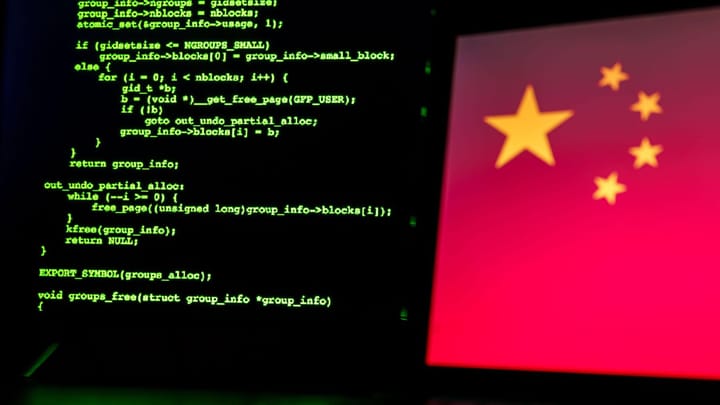
CCP Uses AI Big Data System to Target Taiwan Chip Sector

Introduction
The intersection of artificial intelligence and state-sponsored espionage has reached a new level of sophistication. Recent reports indicate that the Chinese Communist Party (CCP) has developed a comprehensive Big Data system specifically designed to harvest vast amounts of information on individuals residing abroad. The primary objective of this initiative appears to be the identification and exploitation of high-value targets within Taiwan's critical semiconductor and chip-manufacturing sectors.
Unlike traditional intelligence gathering, which often relies on individual handlers or targeted phishing, this project utilizes automated scraping and AI-driven analysis to build detailed profiles of professionals. By aggregating disparate data points, the system allows state actors to identify vulnerabilities and strategic leverage points to recruit or coerce spies within the global chip industry.
The Mechanics of AI-Driven Scouting
The system operates as a massive data ingestion engine, scraping information from a wide array of digital sources. While the specific technical architecture remains proprietary to the state, the goal is to create a 'digital twin' of a target's professional and personal life. This process involves:
- Massive Data Scraping: Collecting public and semi-public data from professional networks, social media, and academic publications.
- Pattern Recognition: Using AI to correlate professional achievements, familial connections, and financial indicators to determine a target's susceptibility to influence.
- Target Profiling: Creating detailed dossiers that allow intelligence officers to approach targets with highly personalized and convincing lures.
This methodology represents a shift toward a more systemic, industrialized approach to espionage, where AI does the heavy lifting of 'scouting' before human intelligence officers step in to execute the exploitation phase.
Strategic Focus on the Semiconductor Industry
The focus on Taiwan's chip industry is not coincidental. As the global hub for advanced semiconductor fabrication, Taiwan holds the intellectual property and manufacturing capabilities that are central to both economic dominance and military superiority. By targeting engineers, researchers, and executives, the CCP aims to bridge technological gaps and bypass years of research and development through illicit acquisition.
The use of AI to facilitate this process allows the CCP to cast a wider net than ever before. Instead of targeting a few known dissidents or high-ranking officials, the system can scan thousands of mid-level engineers who may possess critical technical knowledge but lack the security training or visibility of C-suite executives.
Grivyonx Expert Analysis
This development signals a transition from 'targeted' espionage to 'algorithmic' espionage. By using Big Data to identify targets, the CCP is effectively weaponizing the digital footprint that modern professionals are required to maintain for their careers. For security teams, this means the threat model has shifted: the risk is no longer just a random phishing email, but a highly curated social engineering attack based on a comprehensive AI-generated profile of the employee. We are seeing the industrialization of the 'honey trap' and the professional bribe, scaled by machine learning.
Mitigation and Defensive Strategies
For IT and security professionals managing personnel in high-sensitivity sectors, traditional perimeter security is insufficient. Defenders must address the human element of the attack surface. Recommended actions include:
- Digital Footprint Reduction: Encouraging high-value employees to minimize the amount of sensitive professional and personal information available on public platforms.
- Enhanced Insider Threat Training: Moving beyond basic phishing simulations to educate staff on the signs of sophisticated social engineering and the risks of unsolicited professional outreach.
- Strict Data Access Controls: Implementing a Zero Trust architecture to ensure that even if a target is compromised, their access to critical intellectual property is limited and monitored.
- Behavioral Analytics: Deploying tools that can detect anomalous data access patterns that might indicate a compromised insider is exfiltrating proprietary chip designs.
Conclusion
The deployment of an AI-powered scouting system by the CCP underscores the evolving nature of geopolitical competition in the tech sector. As the battle for semiconductor supremacy intensifies, the methods used to steal intellectual property will become increasingly automated and precise. Organizations must evolve their security postures to counter these data-driven threats. At Grivyonx, we help enterprises navigate these complexities through advanced AI automation and DevSecOps integration to secure the modern software supply chain.
- #Cyber Espionage
- #Taiwan Semiconductor
- #AI Surveillance
- #CCP
- #Intellectual Property
- #Supply Chain Security