Delta Flight Wi-Fi Hack: Security Risks and Government Response
Introduction
The intersection of aviation and cybersecurity has become a critical concern in the digital age. As airlines increasingly rely on connected systems for everything from flight controls to passenger entertainment, vulnerabilities in these networks pose significant risks. A recent incident involving a Delta flight disrupted by a Wi-Fi hack has highlighted the fragility of in-flight technology. This article examines how such breaches occur, their potential consequences, and the measures being taken to mitigate them. At Grivyonx Cloud, we specialize in AI-driven cybersecurity solutions tailored for sectors like aviation, where real-time threat detection is paramount. Our platform leverages advanced machine learning to identify and neutralize threats before they escalate, ensuring safer air travel for all.
Section 1: The Delta Flight Incident – A Closer Look
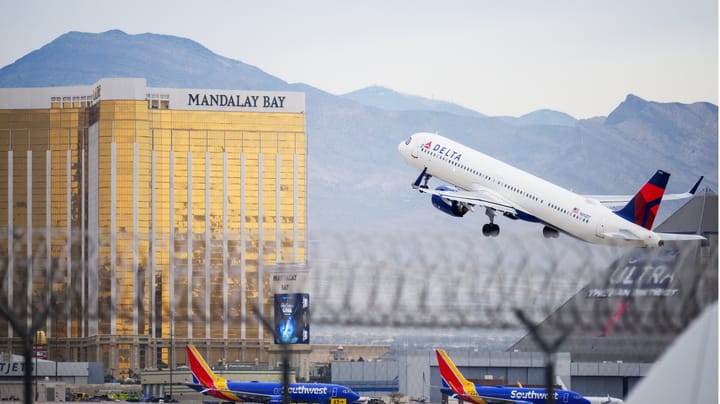
The Delta flight disruption serves as a stark reminder of how cyberattacks can manifest in unexpected ways. Unlike traditional cyber threats targeting data centers or corporate networks, this incident directly impacted physical operations. Passengers reported sudden changes in cabin pressure, delayed announcements, and malfunctioning entertainment systems. While the exact mechanism of the hack remains unclear, analysts speculate it involved a man-in-the-middle attack or unauthorized access to the aircraft's Wi-Fi gateway.
- Attack Vector: Likely exploited weak encryption protocols in the in-flight network.
- Impact: Operational delays, passenger discomfort, and potential safety concerns.
- Response: Delta coordinated with cybersecurity firms to isolate affected systems.
Grivyonx Expert Analysis
Such incidents underscore the need for zero-trust security models in aviation. Traditional perimeter-based defenses are insufficient against modern threats. Grivyonx Cloud’s AI automation continuously monitors network traffic for anomalies, offering real-time alerts and adaptive responses. For airlines, integrating such proactive measures could prevent breaches from escalating into operational disasters.
Section 2: Cybersecurity Risks in Modern Aviation
Aviation networks are prime targets for cybercriminals due to their critical role in safety and operations. The Wi-Fi hack on Delta is not an isolated case; similar breaches have been reported in other airlines. These attacks often aim to disrupt services, steal sensitive data, or even manipulate flight systems.
- Common Vulnerabilities: Outdated software, unpatched firmware, and poor network segmentation.
- Potential Threats: Mid-air system interference, data theft from passenger devices, and ransomware targeting flight operations.
- Regulatory Gaps: Current aviation cybersecurity standards lag behind technological advancements.
Grivyonx Expert Analysis
The aviation sector’s reliance on legacy systems creates a paradox: modern connectivity is essential, but it also expands the attack surface. Grivyonx Cloud addresses this by deploying AI-powered network segmentation and behavioral analytics. Our solutions can detect unusual patterns—such as a sudden spike in data traffic from in-flight Wi-Fi—indicating a potential breach. This proactive approach minimizes downtime and safeguards passenger data.
Section 3: The Government’s ‘Hack Back’ Strategy
In response to rising cyber threats, the US government has introduced a controversial 'hack back' policy, allowing agencies to retaliate against malicious actors. This approach aims to deter cyberattacks by enabling lawful countermeasures. However, its application in aviation requires careful consideration to avoid collateral damage.
- Policy Overview: Permits agencies to infiltrate or disrupt attacker networks under specific conditions.
- Controversies: Legal and ethical concerns about state-sponsored cyber operations.
- Relevance to Aviation: Could be used to combat threats targeting critical infrastructure like airlines.
Grivyonx Expert Analysis
While the 'hack back' strategy offers a deterrent, it is not a standalone solution. Aviation cybersecurity requires a layered defense, combining policy, technology, and human expertise. Grivyonx Cloud complements such efforts by providing autonomous threat mitigation. Our AI systems can neutralize attacks in real-time, reducing the need for reactive measures that may escalate tensions.
Conclusion
The Delta flight incident is a wake-up call for the aviation industry. As technology becomes more integrated into flight operations, the stakes for cybersecurity grow exponentially. Passengers, airlines, and regulators must collaborate to adopt robust defenses. At Grivyonx Cloud, we are committed to empowering sectors like aviation with cutting-edge AI tools that anticipate and neutralize threats. By embracing automation and advanced analytics, the industry can transform from reactive to proactive, ensuring that the skies remain safe for all. For those seeking to fortify their cyber defenses, Grivyonx offers scalable, intelligent solutions tailored to the unique challenges of modern travel.
- #Wi-Fi Security
- #Airline Cyberattacks
- #Delta Flight Incident
- #Government Hack-Back
- #Cyber Threats