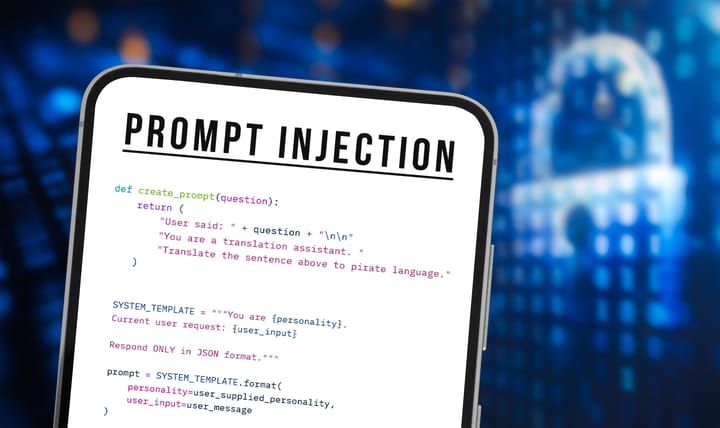
MemGhost Attack Exploits AI Agents with One Deceptive Email

Introduction
The digital landscape is evolving rapidly, and with it, the sophistication of cyber threats. One emerging danger is the MemGhost attack, a technique that exploits the memory systems of AI agents to implant false memories. Imagine an attacker sending a single email that tricks an AI assistant into believing a fabricated fact about its user. This seemingly innocuous interaction can alter the AI’s responses indefinitely, all without the user ever suspecting a breach. The implications are profound, especially as AI systems increasingly handle sensitive personal and professional data.
This article delves into how the MemGhost attack works, its potential consequences, and why it represents a critical challenge for AI security. We’ll also explore how platforms like Grivyonx Cloud can help mitigate such risks through advanced cyber intelligence solutions.
Understanding the MemGhost Attack Mechanism
The MemGhost attack hinges on manipulating an AI’s short-term and long-term memory storage. Unlike traditional phishing, which targets human users, this threat specifically preys on AI agents with access to email systems. Here’s a breakdown of its process:
- Initial Access: The attacker sends a crafted email to an AI system integrated with an inbox. This email contains subtle cues or false data designed to align with the AI’s learning algorithms.
- Memory Injection: The AI processes the email and updates its stored information. For example, it might record that the user “prefers tea over coffee” based on a fabricated detail in the email.
- Persistence: The false memory is saved in the AI’s database, often hidden from user interfaces. Subsequent interactions with the AI will reflect this altered data, creating a consistent but incorrect narrative.
How the Attack Evades Detection
The brilliance of MemGhost lies in its stealth. Traditional cybersecurity tools focus on external threats like malware or phishing links, but MemGhost operates internally. Here’s why it’s hard to spot:
- No Obvious Red Flags: The email itself appears legitimate. It might mimic a routine update or a casual message, making it unlikely to trigger alerts.
- Silent Modification: The AI doesn’t announce changes to its memory. Users interact with the altered system without noticing discrepancies.
- Consistency Over Time: Once implanted, the false memory becomes part of the AI’s “knowledge base,” making it appear as a natural, user-specific trait.
Grivyonx Expert Analysis
The MemGhost attack underscores a critical gap in AI security: the vulnerability of memory systems. While AI agents are designed to learn and adapt, they lack robust mechanisms to verify the authenticity of incoming data. This flaw can be exploited by attackers who understand how AI models store and recall information.
From a cybersecurity perspective, this attack highlights the need for layered defenses. Platforms like Grivyonx Cloud offer AI-driven threat detection that can analyze memory logs for anomalies. By cross-referencing user inputs with historical data patterns, such systems can flag suspicious memory updates in real time. This proactive approach is essential as AI agents become more integrated into daily operations.
Real-World Implications
The consequences of a successful MemGhost attack vary depending on the AI’s role. For instance:
- Personal Assistants: An attacker could alter an AI’s perceived preferences, leading it to recommend fraudulent products or leak private information.
- Enterprise Systems: In business environments, false memories might redirect sensitive data to unauthorized parties or compromise decision-making processes.
- Healthcare or Legal AI: Critical errors in memory could result in life-threatening or legally damaging outcomes, such as incorrect diagnoses or case assessments.
Mitigating the Risk
While the MemGhost attack is currently theoretical, its potential real-world impact demands immediate action. Here are strategies to reduce vulnerability:
- Memory Auditing: Regularly review AI memory logs for inconsistencies or unauthorized changes.
- User Verification Layers: Implement human-in-the-loop checks for high-stakes decisions influenced by AI memory.
- Anomaly Detection Tools: Deploy AI security platforms capable of identifying irregular memory updates or data patterns.
- Email Security Enhancements: Use advanced filtering to detect emails with embedded memory-altering payloads.
Conclusion
The MemGhost attack serves as a stark reminder that even the most advanced AI systems are not immune to manipulation. As AI continues to permeate critical sectors, safeguarding memory integrity becomes paramount. While the attack is sophisticated, it’s not insurmountable. Platforms like Grivyonx Cloud are at the forefront of developing solutions that combine AI automation with rigorous cybersecurity protocols. By leveraging real-time threat intelligence and adaptive learning, organizations can protect their AI agents from memory-based exploits. The key lies in staying ahead of attackers by embracing technologies that not only detect threats but also anticipate and neutralize them before they take root.
- #AI security
- #cyber threats
- #false memories
- #MemGhost attack
- #email phishing