OWASP Unveils AI Security Blueprint with New Skill Format
Introduction
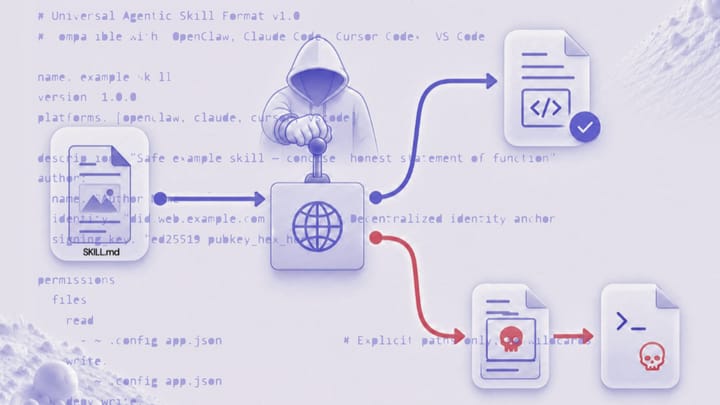
Open Worldwide Application Security Project has unveiled a new top‑10 security framework that specifically addresses the most critical vulnerabilities affecting artificial intelligence systems in contemporary software development. In parallel, the organization introduced a universal skill format designed to standardize how AI‑driven components are built, tested, and deployed, thereby improving both consistency and protection across the AI supply chain.
The following analysis breaks down the principal hazards highlighted in the blueprint and outlines practical steps that development teams can adopt to embed the new skill template into their workflows, ultimately strengthening the security posture of AI‑enabled applications.
Key Threats Highlighted in the AI Skill Blueprint
The updated list identifies a set of high‑impact risk categories that are especially relevant to modern AI deployments. Each item reflects a real‑world attack surface that has emerged as AI usage has expanded beyond experimental labs into production environments.
- Data leakage through inadequately protected training datasets, which can enable adversaries to harvest personally identifiable information or proprietary business data during the model‑training phase.
- Model poisoning, where malicious inputs corrupt the learning process, resulting in biased predictions, compromised decision‑making, or the generation of harmful content.
- Insecure API endpoints that expose model inference services without strong authentication, rate limiting, or input validation, opening pathways for remote code execution or denial‑of‑service attacks.
- Lack of verifiable provenance for model artifacts and third‑party libraries, making it difficult to confirm that the code or weights used in production are exactly those that were vetted and signed.
- Insufficient governance structures, leading to ambiguous accountability for security controls across the entire AI lifecycle, from data collection to model monitoring.
Understanding these vectors is essential for architects, engineers, and security officers who must design safeguards that keep pace with the rapid evolution of AI technologies.
Practical Adoption Strategies for Developers and Organizations
Adopting the universal skill format supplies a concise checklist that can be integrated directly into code reviews, continuous integration/continuous delivery (CI/CD) pipelines, and automated testing suites.
- Specify explicit skill requirements for every AI module, detailing data handling procedures, model validation criteria, and mandatory security controls such as encryption at rest and in transit.
- Incorporate static analysis tools that scan source code and configuration files for the listed risk patterns, such as hard‑coded secrets or unsafe deserialization.
- Deploy runtime monitoring solutions that observe inference traffic for anomalous patterns, including unexpected API calls or abnormal inference patterns, and trigger alerts for further investigation.
- Establish a cross‑functional governance board that reviews AI deployments against the OWASP top‑10 checklist and documents remediation steps, ensuring ongoing compliance with evolving regulatory expectations.
- Utilize reproducible build environments and immutable artifact repositories to guarantee that the model weights and accompanying code match the declared skill specifications, thereby preventing drift and tampering.
These measures collectively create a defensive layer that addresses the identified threats while fostering a culture of proactive security within AI‑centric projects.
Broader Industry Implications of the OWASP AI Blueprint
The release of a dedicated AI security framework signals a maturation of the application security community’s response to the unique challenges posed by machine learning and generative AI. As enterprises embed AI across customer‑facing products, the attack surface expands to include data pipelines, model serving layers, and third‑party AI services, demanding a unified set of best practices.
Standardizing skill requirements through the universal format supplies a concise checklist that can enable cross‑team collaboration, reduce the knowledge gap between security and data science groups, and facilitate automated compliance reporting. Moreover, the emphasis on provenance and continuous monitoring aligns with zero‑trust principles, suggesting that the blueprint could become a reference model for regulatory bodies and industry consortia seeking to harmonize AI risk management.
Grivyonx Expert Analysis
The introduction of a universal skill format represents a strategic shift toward measurable security outcomes rather than vague best‑practice advice. By codifying required competencies, the format enables automated verification through CI/CD tools, reducing human error and accelerating remediation. Grivyonx Cloud’s own AI automation platform can complement this approach by orchestrating model training, validation, and deployment steps within a secure pipeline, while its integrated threat‑intelligence feeds provide real‑time context for risk assessment. In this way, the OWASP blueprint and Grivyonx’s automation capabilities together lay a foundation for resilient, trustworthy AI systems.
Conclusion
In an era where artificial intelligence permeates nearly every digital experience, the necessity for disciplined security practices grows proportionally. The OWASP top‑10 list and its accompanying skill template provide a clear, actionable roadmap for mitigating the most prevalent AI threats. Organizations that embed these standards into their development lifecycles will be better positioned to protect sensitive data, preserve model integrity, and maintain stakeholder confidence. Grivyonx Cloud continues to support these efforts through automated AI pipelines and comprehensive cybersecurity services, helping teams translate risk awareness into tangible, resilient outcomes.
- #AI
- #cybersecurity
- #OWASP
- #skill-format
- #AI-risk
- #security-blueprint