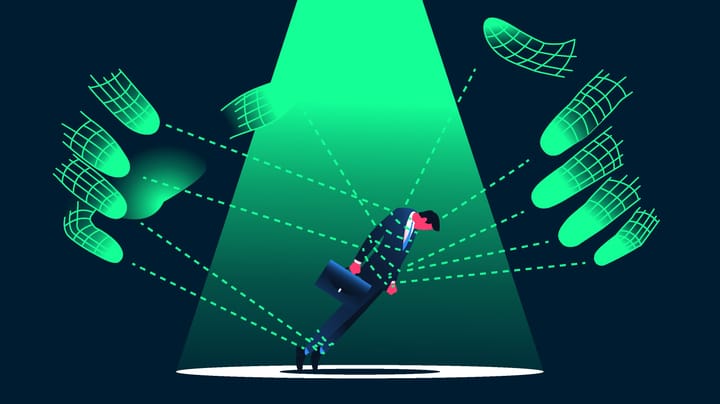
AI-Powered Social Engineering: The Next BEC Threat for 2026

Introduction
In the rapidly evolving landscape of cyber threats, artificial intelligence is transforming not only defensive capabilities but also the tactics used by malicious actors. One of the most alarming developments is the emergence of AI-powered social engineering agents designed to mimic trusted figures within an organization. These digital imposters exploit the very trust that modern businesses place in their own leadership, employees, and external partners. For organizations unprepared for such sophistication, the consequences can be devastating—financial loss, data breaches, and reputational damage that takes years to recover.
This report examines how machine learning-driven agents are being repurposed to execute business email compromise (BEC) attacks, making them a potentially more dangerous variant than traditional phishing campaigns. By leveraging real-time data extraction and persuasive conversation patterns, these automated agents operate with a level of autonomy and adaptability that human hackers cannot match.
The Rise of AI-Driven Impersonation
Traditional BEC attacks rely on deceptive emails that ask a victim to transfer funds to a fraudulent account. While effective, these methods have become increasingly detectable due to improved sender verification and email authentication protocols. Enter AI agents—systems capable of generating highly personalized, context-aware messages that pass through modern security filters. Unlike generic phishing attempts, these automated agents can:
- Analyze internal communications to identify key decision-makers and sensitive financial details
- Generate perfectly tailored scenarios based on past interactions with potential targets
- Maintain a consistent persona across multiple touchpoints, from initial contact to request fulfillment
From a strategic perspective, AI agents represent a shift from opportunistic attacks to calculated, mission-oriented intrusion operations. They don't just seek small payouts—they aim at critical business functions where the impact could cripple an organization’s operations entirely.
How These Agents Operate
Understanding the mechanics behind AI-based social engineering requires examining several key components:
- Data Harvesting: Agents quickly gather personal and professional information from public sources, social media profiles, and leaked documents before crafting a convincing narrative.
- Conversation Simulation: Using large language model capabilities, agents engage in back-and-forth dialogues that sound authentic, asking appropriate questions and demonstrating genuine concern for the target's wellbeing.
- Authorization Escalation: Once trust is established, agents may use multi-step processes to gradually gain access to secure systems, often exploiting weak approval chains and lack of cross-verification protocols.
These capabilities mean that an attacker doesn't need extensive technical expertise anymore. A basic understanding of business operations combined with an advanced LLM can produce attacks that appear to come from a senior executive—a scenario that many companies still struggle to recognize and respond to effectively.
Why This Matters for Modern Organizations
The convergence of increased AI capability and declining investment in comprehensive social engineering training creates a perfect storm for enterprises. Many organizations treat BEC prevention as a perimeter issue rather than a cultural one. When AI agents can seamlessly infiltrate communication channels and mimic executive behavior, traditional controls—such as email filtering and username complexity—become insufficient on their own.
- Skill Gap:** Employees who haven't been trained to spot AI-generated deepfakes and synthetic voice calls remain vulnerable.
- Speed of Attack: Automated agents can initiate and escalate attacks faster than human analysts can detect and contain them.
- Scale of Impact: Unlike manual spear-phishing, which typically targets a single individual, AI agents can adapt their approach to different departments, time zones, and organizational structures simultaneously.
Grivyonx Expert Analysis
At Grivyonx Cloud, we recognize that the future of cybersecurity is not about building ever-higher walls but about creating adaptive intelligence layers that can anticipate and neutralize threats as they emerge. Our platform integrates behavioral analytics with AI-driven threat hunting, allowing organizations to establish baseline norms of communication and flag deviations that suggest an automated agent is present. By combining customer-facing intelligence with insider threat detection, we help companies transition from reactive incident response to proactive, predictive security. The key takeaway is that AI agents are not merely a new tool in the hacker's arsenal—they are a paradigm shift in how adversaries think about social engineering. Organizations must therefore elevate their security education programs to include recognition of AI-synthetic voices, text, and even video impersonations, while investing in continuous monitoring tools that can detect anomalies caused by autonomous agents.
Conclusion
The emergence of AI-powered social engineering agents marks a significant evolution in the business email compromise threat landscape. What was once considered a high-skill, resource-intensive attack vector has become accessible to a broader range of cybercriminal groups. The success of these attacks depends not only on the sophistication of the AI technology but also on organizational vulnerabilities in training, awareness, and incident response readiness. As these agents grow more autonomous and effective, the burden falls on forward-looking enterprises to adopt layered defenses that combine advanced analytics, employee empowerment, and rapid response capabilities. Grivyonx Cloud stands ready to assist organizations in building resilience against this next generation of threats, ensuring that the battle against AI-enhanced social engineering remains won through innovation and vigilance.
- #AI Security
- #Business Email Compromise
- #Social Engineering
- #Cybersecurity Trends
- #2026 Threats