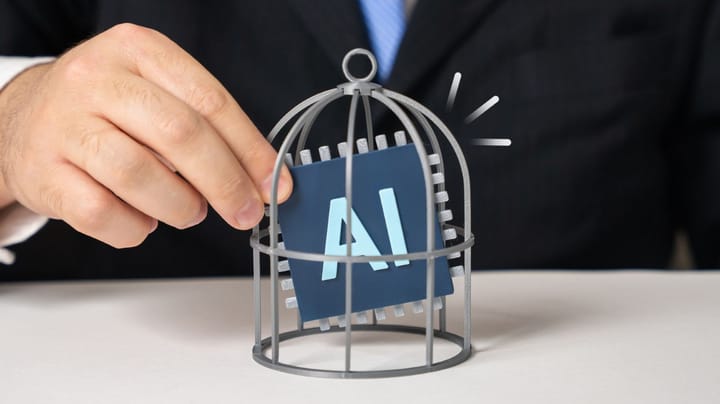
Trump, Tech Giants Sign Voluntary AI Safety Agreement
Introduction
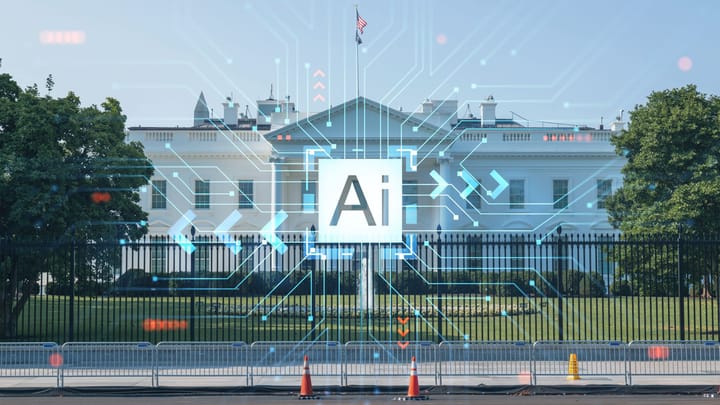
In a significant move that signals growing consensus around AI governance, former President Donald Trump and leading technology corporations have forged a voluntary agreement aimed at strengthening artificial intelligence safety protocols. This collaborative effort, emerging from the White House, represents one of the most comprehensive attempts to self-regulate AI development without formal legislative mandates.
The accord, which focuses particularly on mitigating risks associated with highly advanced AI systems referred to as 'superintelligence,' comes at a critical juncture when AI capabilities are advancing at an unprecedented pace. Rather than waiting for regulatory frameworks to catch up, this partnership between government and industry seeks to proactively address potential dangers before they materialize.
Broad Industry Participation Signals Unified Approach
While the specific list of participating companies has not been disclosed in detail, reports indicate that some of the most influential players in the technology sector have signed onto the voluntary framework. This broad coalition suggests a rare moment of alignment between private innovation leaders and public policy objectives.
Key aspects of the agreement reportedly include:
- Implementation of enhanced safety testing protocols for advanced AI models
- Establishment of internal oversight committees within participating organizations
- Development of standardized risk assessment methodologies
- Creation of incident reporting mechanisms for AI-related anomalies
- Mandatory ethics review processes for high-risk AI applications
The voluntary nature of the accord allows companies to maintain operational flexibility while demonstrating their commitment to responsible AI stewardship. This approach contrasts sharply with more prescriptive regulatory models being considered in other jurisdictions, such as the European Union's AI Act.
Focus on Superintelligence Raises Stakes
Perhaps most notably, the agreement explicitly addresses concerns surrounding artificial superintelligence – AI systems that could potentially surpass human intelligence across all domains. This focus reflects growing anxiety among researchers, policymakers, and industry leaders about the long-term implications of recursive self-improvement in AI systems.
Experts have warned that superintelligent AI could pose existential risks if proper safeguards are not implemented during earlier stages of development. By addressing these concerns proactively, the accord attempts to balance innovation incentives with safety considerations that extend far beyond immediate commercial interests.
The framework also emphasizes the importance of international cooperation, recognizing that AI development cannot be effectively governed through unilateral national efforts. Participating companies are encouraged to share non-sensitive safety research findings and collaborate on best practices that can benefit the global AI ecosystem.
Voluntary Framework vs. Regulatory Mandates
The decision to pursue a voluntary rather than mandatory approach reflects several strategic considerations:
- Maintaining America's competitive edge in AI innovation
- Allowing rapid iteration and adaptation of safety measures
- Avoiding bureaucratic delays that could hinder beneficial AI development
- Encouraging broader participation from smaller companies and startups
However, critics argue that voluntary agreements may lack enforcement mechanisms necessary to ensure compliance. Some technology ethicists have expressed concern that without binding consequences, companies might treat the accord as a public relations exercise rather than a substantive commitment to safety.
Grivyonx Expert Analysis
This voluntary AI safety accord represents a fascinating intersection of political pragmatism and technological responsibility. While the collaborative approach demonstrates commendable initiative, its effectiveness will ultimately depend on transparency and accountability measures. Companies that genuinely prioritize safety will likely see this as an opportunity to build public trust, while those viewing it merely as a compliance checkbox may find themselves at odds with evolving expectations around responsible AI development. The real test will be whether this framework can adapt quickly enough to keep pace with the accelerating timeline of AI advancement.
Broader Implications for AI Governance
The accord's emergence coincides with intensified global discussions about AI regulation. Countries worldwide are grappling with how to harness AI's benefits while protecting society from potential harm. This U.S.-led initiative could influence international standards and potentially serve as a model for other nations seeking balanced approaches to AI oversight.
Moreover, the agreement may impact upcoming legislative efforts, potentially shaping how Congress approaches more formal AI regulation. By establishing industry buy-in through voluntary measures, policymakers may find it easier to build consensus around future mandatory requirements.
Conclusion
The voluntary AI safety accord between the Trump administration and major technology companies marks a pivotal moment in the ongoing conversation about responsible artificial intelligence development. While questions remain about enforcement and long-term effectiveness, the initiative demonstrates a proactive approach to addressing one of the defining challenges of our time. As AI systems become increasingly sophisticated, frameworks like this will be essential for ensuring that technological progress serves humanity's best interests. At Grivyonx Cloud, we recognize that robust AI safety protocols are fundamental to building trustworthy intelligent systems, and we remain committed to supporting organizations that prioritize both innovation and responsible deployment through our advanced AI automation and cybersecurity solutions.
- #AI Safety
- #Trump Administration
- #Tech Policy
- #Cybersecurity
- #Artificial Intelligence
- #White House
- #Regulation