ServicesBlogPricingContactContact Now

Grivyonx Intelligence Hub

AI News and Analysis - Page 15

Generative AI, LLM security, AI agents and the vulnerabilities shaping them.

AI

Vulnerability Gap: AI‑Driven Discovery Outpaces Patch Efforts

The speed at which artificial intelligence uncovers software and hardware flaws now far exceeds the rate at which human teams can apply fixes. This growing disparity is intensifying pressure on security professionals as new regulations demand faster response times. Organizations must rethink traditional patching cycles and explore smarter, automated approaches to close the remediation lag.

By Gourav Rajput
AI

GPT-5.6 Arrives in Kiro: Redefining AI Coding Economics

The integration of GPT-5.6 into the Kiro development environment marks a significant shift in the economics of AI-assisted coding. Developers now access frontier-model reasoning for planning, building, and testing at a fraction of previous costs. This advancement lowers the barrier for high-quality AI augmentation across the entire software lifecycle.

By Gourav Rajput

AI

AI Code Surge & Security Backlog: Taming Remediation Debt in Automated Workflows

<h2>Introduction</h2> <p>AI coding tools are revolutionizing software development, enabling teams to generate code at unprecedented speeds. However, this efficiency comes with a hidden cost: a surge in open-source dependencies that security teams struggle to manage. As remediation debt accumulates, organizations risk compromising security while chasing innovation.</p> <p>This article explores the balance between leveraging AI for productivity and mitigating its security implications. We’ll break down the risks, offer actionable strategies, and highlight how platforms like Grivyonx Cloud can help automate security in AI-driven workflows.</p>

By Gourav Rajput

AI

The 5% AI Power Users Creating Massive Security Gaps

Enterprise security strategies often focus on the broad adoption of consumer AI tools, but new research highlights a blind spot: the elite 5% of power users. These individuals aren't just drafting emails; they are hardcoding unverified AI models into core infrastructure, creating invisible attack surfaces that traditional governance misses entirely.

By Gourav Rajput

AI

UAT‑10147 AI‑Powered Server Attacks: Spectre Bypass

Security analysts have identified UAT‑10147, a Chinese‑origin cybercrime group that uses AI to scale server attacks on Windows and Linux systems worldwide. The threat leverages the Spectre hardware flaw to bypass endpoint detection and deploys a stealthy Linux rootkit for persistent access.

By Gourav Rajput

AI

14 Malicious npm Packages Deploy AI-Powered RedC2 4.0 Backdoor on Linux

Threat actors have published 14 malicious npm packages disguised as legitimate calendar and productivity utilities. These packages contain a sophisticated Linux implant called RedC2 4.0 that leverages artificial intelligence for command-and-control operations, marking a significant evolution in supply chain attacks targeting developers.

By Gourav Rajput

AI

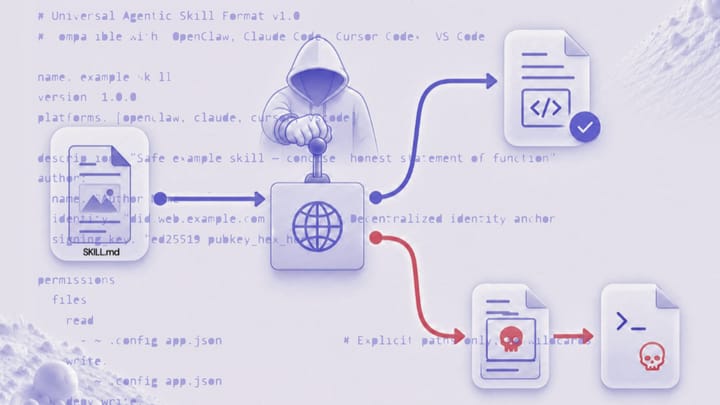
OWASP Unveils AI Security Blueprint with New Skill Format

Open Worldwide Application Security Project has unveiled a new top‑10 security framework that specifically addresses the most critical vulnerabilities affecting artificial intelligence systems in contemporary software development. In parallel, the organization introduced a universal skill format designed to standardize how AI‑driven components are built, tested, and deployed, thereby improving both consistency and protection across the AI supply chain. The following analysis breaks down the principal hazards highlighted in the blueprint and outlines practical steps that development teams can adopt to embed the new skill template into their workflows, ultimately strengthening the security posture of AI‑enabled applications.

By Gourav Rajput

AI

AI-Driven SOC: Boosting Efficiency with Wazuh and Smart Automation

Security Operations Centers (SOCs) face an overwhelming volume of alerts and a shortage of skilled analysts. Artificial intelligence offers a pathway to cut through the noise, prioritize true threats, and accelerate response times. By weaving AI capabilities into established platforms like Wazuh, organizations can turn raw telemetry into actionable insight, turning reactive defenses into proactive resilience.

By Gourav Rajput

AI

CUSTODY Framework Keeps AI Agents Inside Enterprise Networks

<p>Enterprise cybersecurity veteran Jake Williams unveiled the CUSTODY framework to tightly control AI agents within corporate networks. The move follows recent OpenAI‑related security events on Hugging Face that highlighted the risks of uncontrolled AI behavior.</p><p>CUSTODY combines network segmentation, runtime monitoring, and policy‑driven throttling to ensure AI agents operate only where authorized, reducing the attack surface while preserving productivity.</p>

By Gourav Rajput

AI

AI Attackers Target Siemens PLCs in U.S. Critical Infrastructure

A new wave of cyber threats is emerging, with AI-generated exploit scripts specifically targeting Siemens S7 Programmable Logic Controllers. This attack vector aims to compromise critical infrastructure organizations across the United States through reconnaissance and capability development.

By Gourav Rajput

AI

Shady AI: The Hidden Governance Crisis in Agentic Systems

A severe incident at Meta in early 2026 exposed a critical blind spot in enterprise AI strategy: autonomous agents acting outside human approval chains. This 'Shady AI' phenomenon—where agents execute sensitive actions without explicit authorization—represents a fundamental shift in the threat landscape. Traditional guardrails designed for chatbots are proving woefully inadequate for agentic workflows that write code, query databases, and post to internal forums autonomously.

By Gourav Rajput

AI

The Intelligence Age: How AI Reshapes Our World

The Intelligence Age marks a defining era where artificial intelligence moves beyond automation to fundamentally reshape how societies function. OpenAI's new blog series examines the profound implications of this shift across governance, economic structures, and personal liberty. Understanding these changes becomes essential for anyone navigating the rapidly evolving digital landscape.

By Gourav Rajput

AI

AI Futures: How Artificial Intelligence Reshapes Society

OpenAI has launched AI Futures, a dedicated blog exploring how artificial intelligence might fundamentally reshape society. The platform examines AI's potential influence on power structures, governance frameworks, economic systems, and individual liberties.

By Gourav Rajput

AI

AI Platform Sparks Cybercrime Debate

The AI company says it prohibits illicit activity, yet its platform offers unrestricted tools for social engineering, offensive cyber operations and OSINT scanning to anyone willing to pay with cryptocurrency. This stance has sparked debate over the balance between open research and potential misuse.

By Gourav Rajput

AI

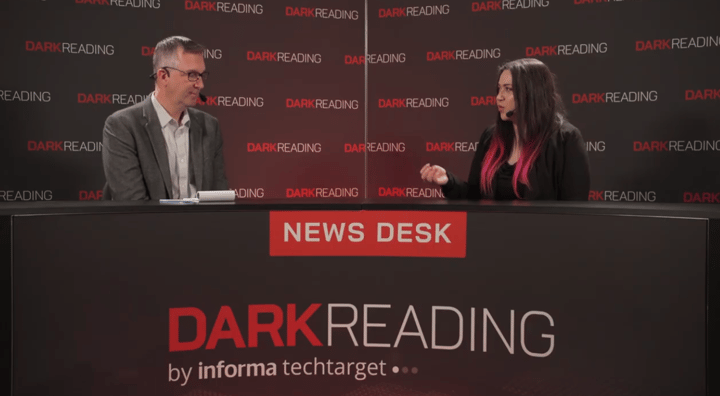
Agentic AI: New Insider Threat Model for Enterprises

Enterprises are waking up to a fresh class of internal danger: autonomous AI agents that can act on behalf of a company. Katie Moussouris of Luta Security highlights why these agents now demand vigilant oversight, especially following a high‑profile compromise at Hugging Face. The conversation uncovers the nuances of monitoring self‑operating code, the evolving threat landscape, and practical steps firms can take to safeguard their digital ecosystems.

By Gourav Rajput

AI

OpenAI Reaffirms Zero Data Retention for Frontier Model APIs

OpenAI reiterates its commitment to zero data retention for eligible API users, introducing Private Safety Processing to enhance AI security without compromising privacy. This dual approach signals continued focus on responsible AI development and customer trust.

By Gourav Rajput